Is Sensory Energetics the same as Kundalini?
People who watch a Sensory Energetics session for the first time often ask: is this a Kundalini activation? Bodies tremble, people sigh, sometimes they laugh or cry. From the outside it can look similar. From the inside, the two are built on very different foundations.
"Is this Kundalini?" It is one of the questions we hear most, especially from people who have seen videos of Kundalini activation events. Bodies shaking on the floor, people crying or laughing, a facilitator touching someone lightly. In a Sensory Energetics session you may see some of the same things. So it is a fair question, and it deserves a clear answer.
In short
- Sensory Energetics (KSE®) is a neuro-somatic method, not a Kundalini practice.
- Both can produce tremors, waves and emotional release, because that is how bodies let go of tension.
- KSE works with the nervous system, fascia and vital points; it does not aim to awaken Kundalini or open chakras.
- It requires no belief and no spiritual framework, and it is designed to stay grounded and integrated into daily life.
Why people confuse the two
In recent years, "Kundalini activation" events have become popular. A facilitator moves through a room, sometimes with light touch, while participants lie down to music. Many experience spontaneous movements, trembling, tingling, waves of heat, emotional release or altered states.
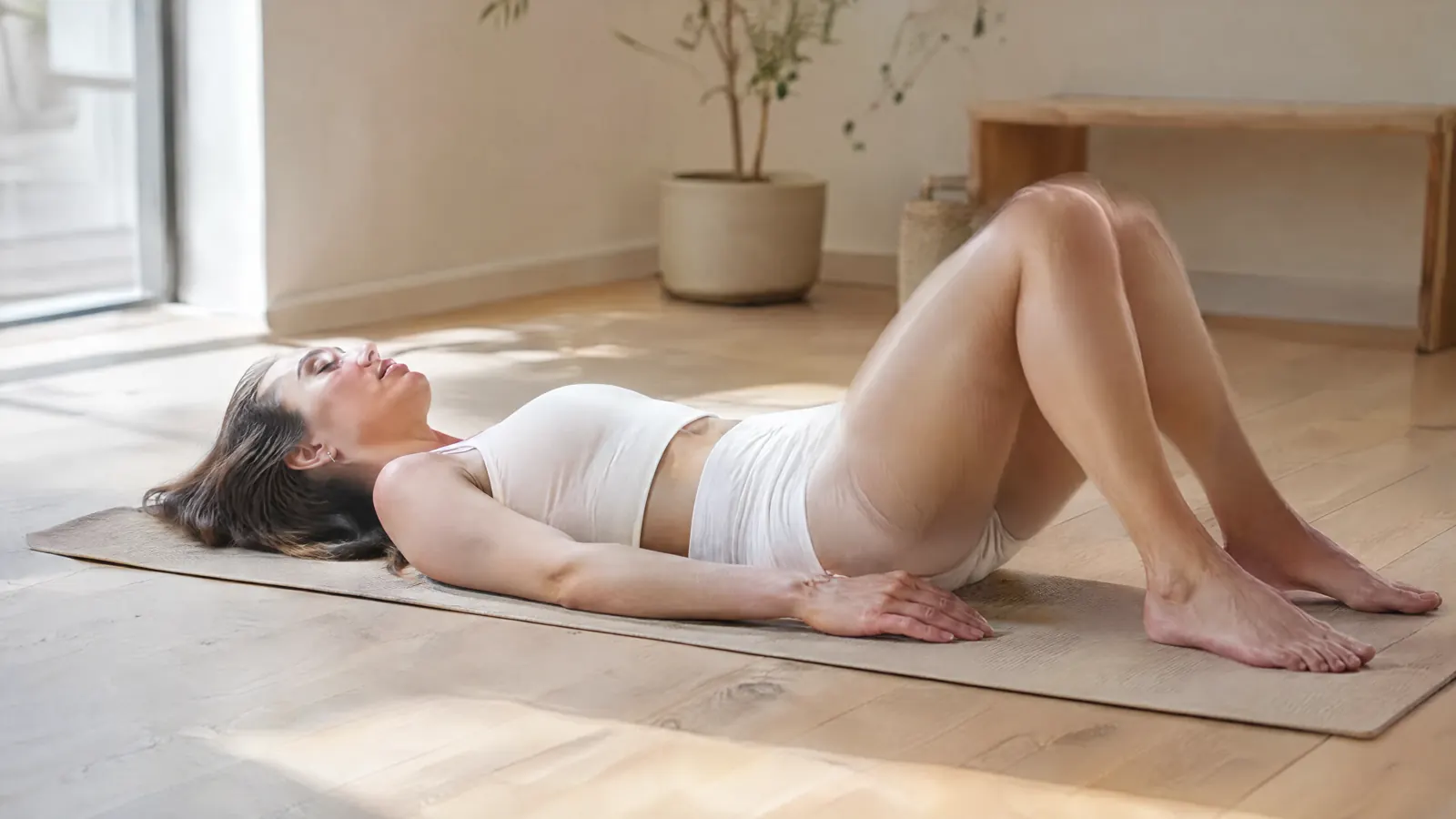
In Sensory Energetics, people also often experience trembling, waves through the spine, deep breaths, warmth and sometimes emotion. The reason is simple: these are the body's natural ways of releasing tension. A nervous system that feels safe enough to let go will often shake, sigh and soften, whatever the method, and whatever we call it.
The real differences
1. The foundation
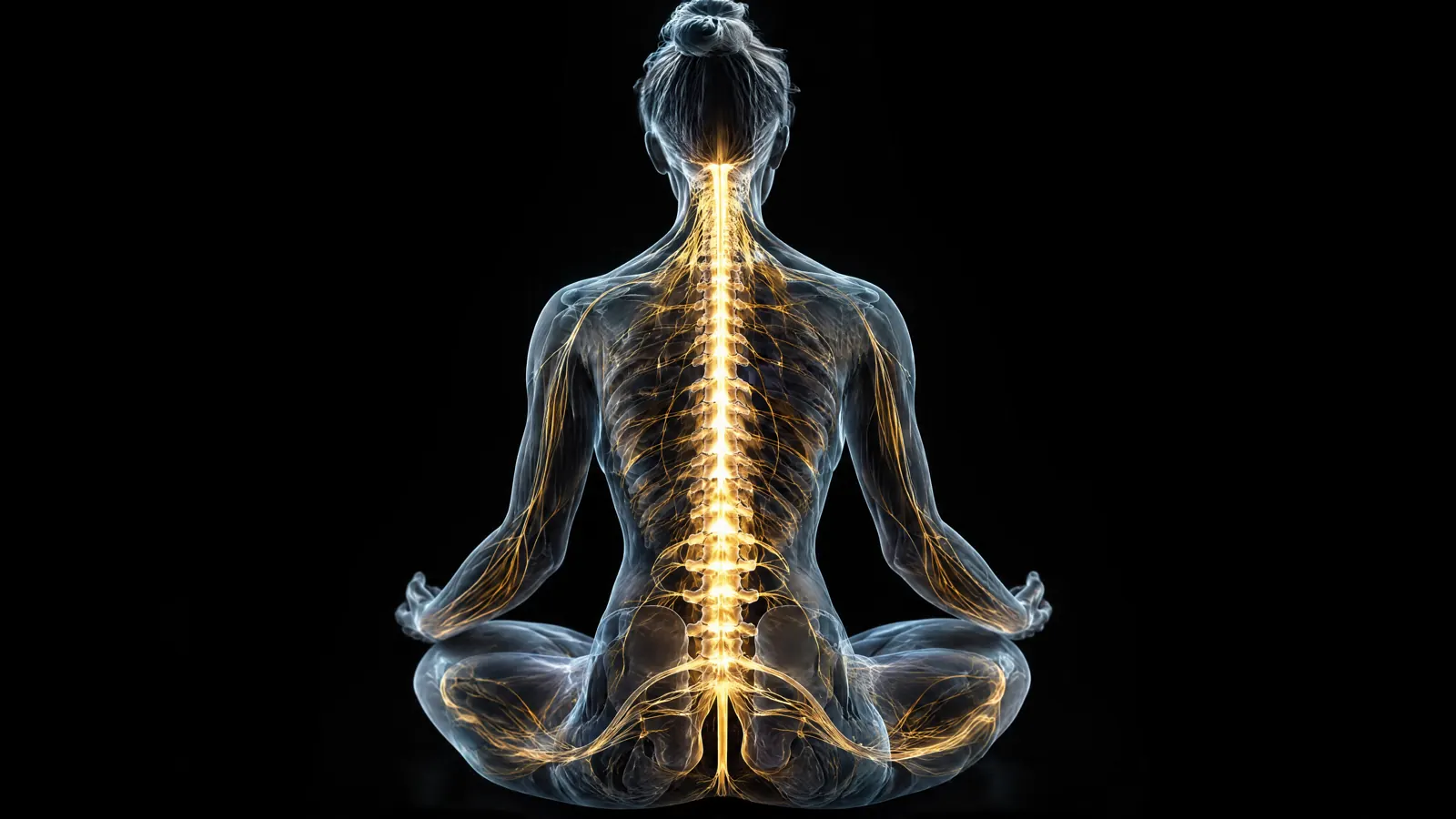
Kundalini comes from Indian yogic and tantric traditions. It describes a dormant energy at the base of the spine that can rise through the chakras towards spiritual awakening. Sensory Energetics starts from the body: the nervous system, fascia, breath, posture and sensory awareness, combined with the precise anatomical knowledge of vital points developed in traditional Asian body arts.
2. The goal
Kundalini practices traditionally aim at spiritual awakening and transformation of consciousness. Sensory Energetics aims at something more ordinary and very practical: helping the body release chronic tension, regulate the nervous system and feel more present, so you can live your daily life with more ease.
3. The method
A KSE session uses precise touch on specific vital points, guided breath and movement, and attention to how the nervous system responds. Facilitators are trained to follow and pace the body's responses, to keep them gentle, and to bring the person back to a grounded, alert state before the session ends.
4. Beliefs
You do not need to believe in energy, chakras or anything else to practise Sensory Energetics. Some people describe what they feel as energy, others as relaxation or nervous system release. Both are welcome. The practice is not religious and asks for no spiritual commitment.
5. Integration
Intense experiences are not the goal in KSE. A good session can be very quiet. What matters is what changes afterwards: breathing, sleep, posture, how you respond to stress. Seminars and the daily Self-Ignition Programme are built around that integration.
Different, not opposite
Saying that Sensory Energetics is not Kundalini is not a criticism of Kundalini. Yogic and tantric traditions have explored the body and consciousness for more than a thousand years, and many people find deep value in Kundalini practices. If you would like to understand Kundalini on its own terms, beyond hype and beyond stereotypes, read our article What is Kundalini?
The body shakes, sighs and softens in many traditions. What differs is the map we use to understand it, and where we want it to lead.
Release without chasing an experience
- Sit or lie down. Feel the weight of your body and the contact with the ground.
- Breathe slowly, with a longer exhale, for one minute.
- Notice any small movement, tingling or trembling. Do not push it bigger.
- If it grows, let it be gentle. If it fades, let it fade.
- Open your eyes, look around the room and feel your feet. This return is part of the practice.
So what is Sensory Energetics?
Sensory Energetics (KSE®) is a neuro-somatic method founded by Dr. Daniel Flash. It helps people release stored tension, regulate the nervous system and reconnect with their body through precise touch, breath, movement and awareness. Learn more on What is Sensory Energetics, read about neurogenic tremors, or join a seminar.
Frequently asked questions
Is Sensory Energetics a form of Kundalini?
No. Sensory Energetics (KSE) is a neuro-somatic method developed by Dr. Daniel Flash. It works with the nervous system, fascia, breath, movement and precise touch on vital points. It does not aim to awaken Kundalini or to raise energy through chakras, and it is not based on any religious or spiritual belief.
Why do KSE sessions look like Kundalini activations?
Both can produce spontaneous movements, tremors, deep sighs, warmth and emotional release, because these are natural ways the nervous system releases tension. The visible signs are similar; the theory, the method and the goal are different.
Do I need to believe in energy or chakras to practise KSE?
No. Many participants describe what they feel as energy, others as relaxation, tremors or nervous system release. The practice works with sensations you can observe in your own body, whatever language you prefer to use.
Is Sensory Energetics religious?
No. It is a body-based method that draws on the nervous system, somatic psychology and the anatomical knowledge of traditional Asian body arts, without any religious belief or ritual.
Is Kundalini bad?
No. Kundalini is a rich concept from Indian yogic and tantric traditions, and many people value Kundalini practices. This article simply explains that Sensory Energetics is a different method. You can read more in our article on what Kundalini is.
This article is for education and personal awareness. Sensory Energetics is not a medical or psychological treatment and does not replace professional care.

Dr. Daniel FlashFounder of Sensory Energetics (KSE®), Doctor of Natural Medicine and former martial arts World Champion. He has taught Kyusho and somatic energy work for more than 20 years, in 68+ countries. Read his story.
Experience Sensory Energetics in person
The best way to understand the difference is to feel it. Join a seminar with Dr. Daniel, or start with short daily practices at home.