Neurogenic tremors: why the body shakes to let go
After a fright, an accident or a long day of holding it together, many people notice their legs or hands start to shake. Neurogenic tremors are the body's own way of discharging that charge. Here is what they are, what we know about them and how to meet them with curiosity instead of fear.
Think of a dog after a fight, or a person stepping out of a car after a near accident. The legs wobble, the hands shake, the breath comes in long sighs. Then, a few minutes later, the body is quiet again. That shaking is not a weakness. It is one of the most natural things a nervous system does.
In short
- Neurogenic tremors are involuntary, rhythmic shaking produced by the nervous system, often after stress or intense effort.
- Many somatic practices invite these tremors gently, as a way to release muscular holding and return to calm.
- Early research is encouraging but small; tremor work is a body practice, not a medical treatment.
- You stay in control: a tremor can always be slowed or stopped.
What are neurogenic tremors?
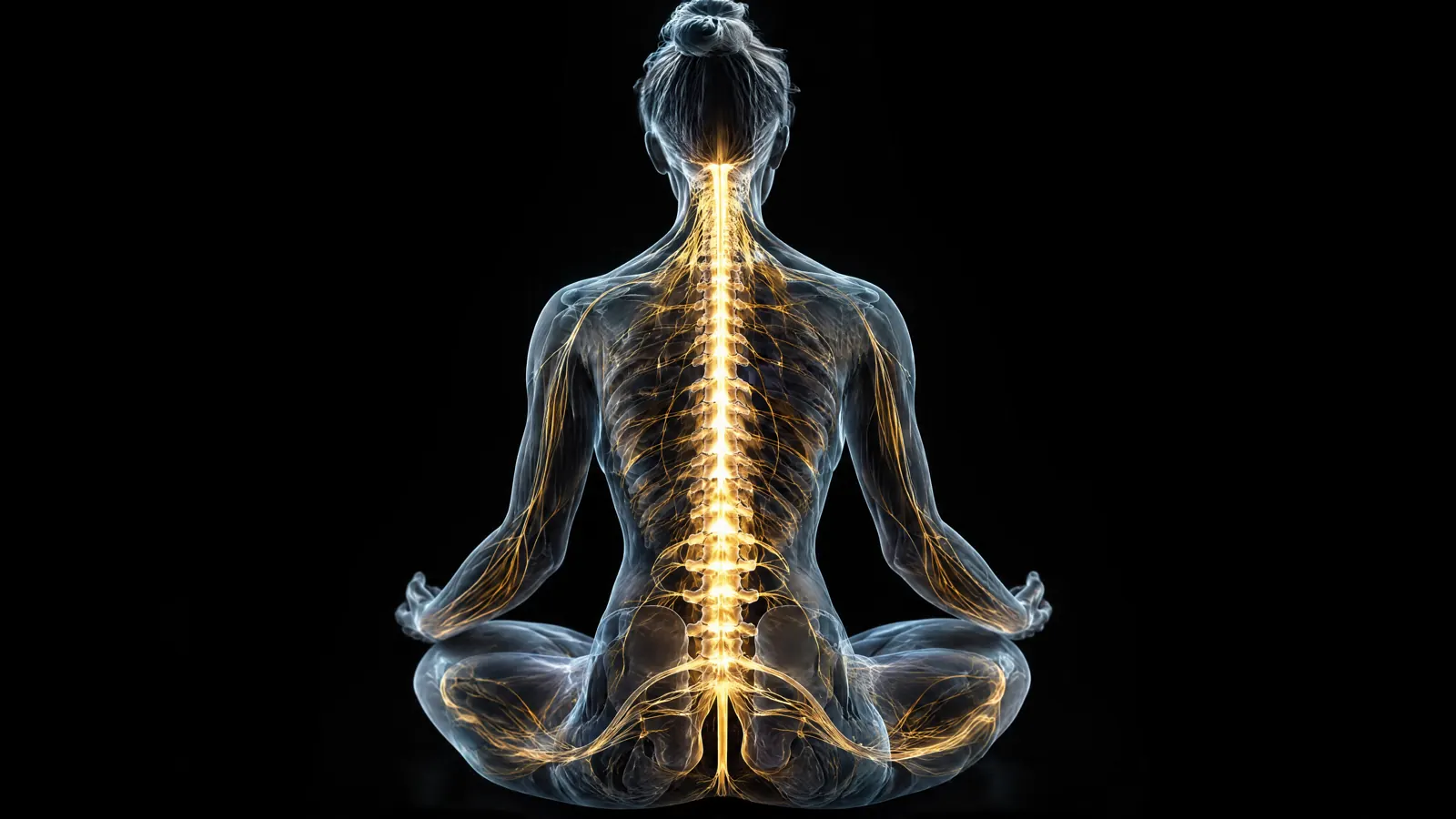
"Neurogenic" simply means "coming from the nervous system". A neurogenic tremor is a shaking movement that the body produces on its own, without you deciding to shake. It usually starts in the legs or the pelvis, can travel up the spine, and often feels like a soft vibration or a series of small waves.
Most people have already felt it: the trembling knees before going on stage, the shaking hands after an argument, the chattering jaw after cold or fear. In those moments the body has mobilised a lot of energy to protect itself. Shaking is one of the ways it lets that mobilisation go.
Why does the body shake after stress?
When we feel threatened, the nervous system prepares us to fight, run or freeze. Heart rate rises, muscles brace, breath becomes shallow, and deep muscles such as the psoas, which connects the spine to the legs, tighten to protect the centre of the body.
Animals in the wild are often seen shaking after a dangerous encounter, and then simply going back to grazing. Somatic therapists such as Peter Levine have suggested that this shaking helps complete the stress response, so the body does not keep carrying it. People often do the opposite: we hold still, hold our breath and "keep it together". The tension stays in the muscles, and over time the body forgets how to let go.
The body knows how to discharge stress. Often it only needs permission and a safe moment to do it.
What the research says (and what it doesn't)
Interest in therapeutic tremoring grew with Tension and Trauma Releasing Exercises (TRE), a series of simple exercises developed by David Berceli to invite the body's natural tremors. Small studies, for example a pilot study at the University of Cape Town, reported less stress and anxiety and a better quality of life after tremor practice. Other early studies have looked at heart rate variability, a marker of how flexibly the nervous system can shift between activation and rest.
It is important to be honest about the limits: most studies so far are small, many are not randomised, and the exact mechanism has not been proven. We do not know yet whether the tremors themselves cause the benefits, or the rest, attention and safety that come with the practice. What people consistently report is a feeling of release, warmth, lighter breathing and a calmer mind afterwards.
What a tremor practice feels like
For most people a tremor starts as a fine vibration in the thighs. It may grow into larger waves, move into the hips and belly, or travel up along the spine. Some people yawn, sigh deeply, feel warmth, or notice emotions rising and passing. Others feel very little the first few times, and that is fine too.
A first, safe taste of tremoring
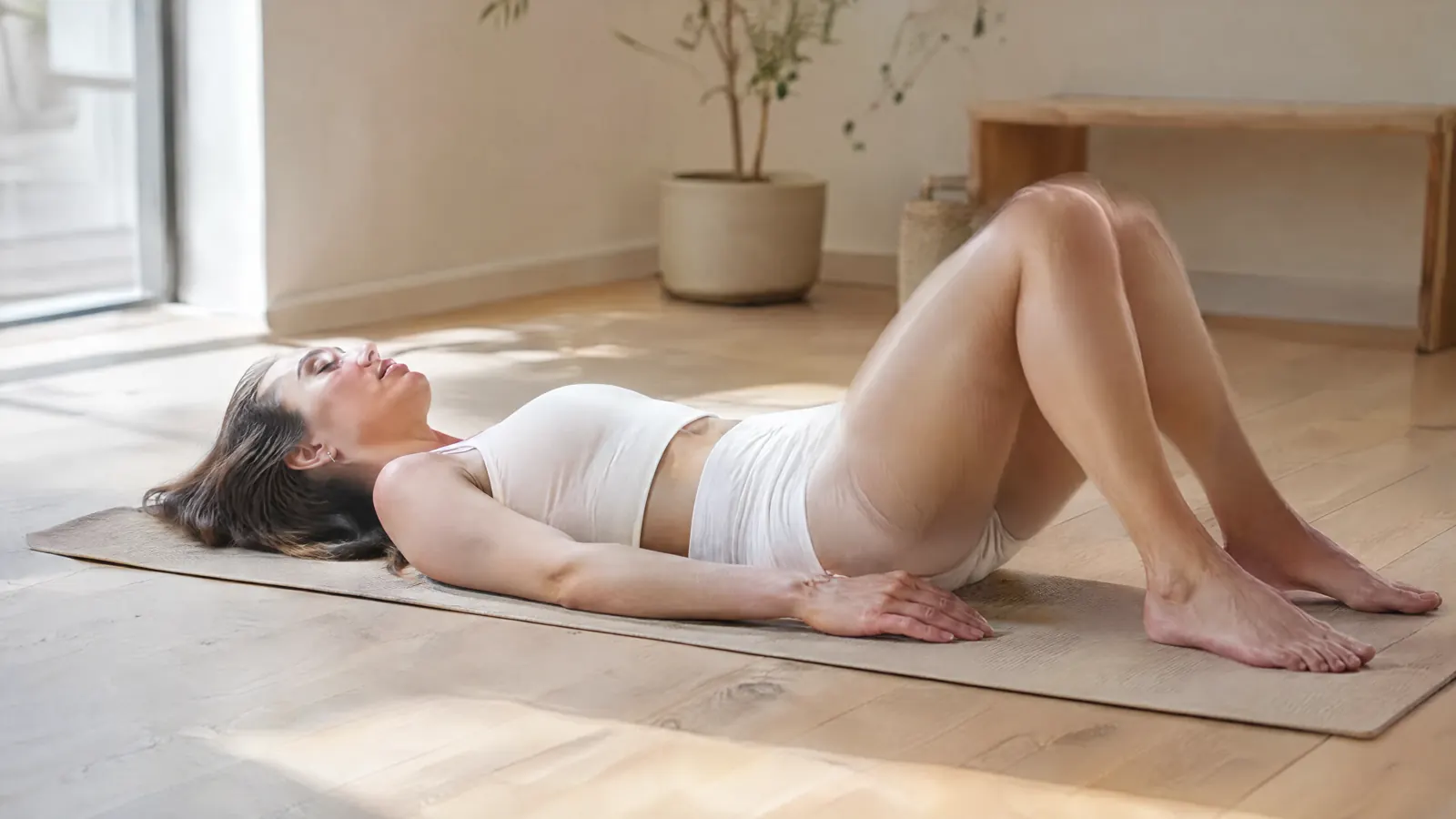
- Lie on your back on a mat, knees bent, feet flat on the floor.
- Bring the soles of your feet together and let your knees open to the sides. Stay one minute.
- Lift your knees just a few centimetres towards each other and hold. Stay there until you notice a fine vibration in the inner thighs.
- Let it happen. Breathe softly. If it becomes too strong, open the knees a little or straighten your legs.
- After a few minutes, straighten your legs, rest and notice how your body feels now.
How Sensory Energetics works with tremors
In Sensory Energetics (KSE®), tremors are one of several ways the body regulates itself. Dr. Daniel Flash's method combines precise touch on vital points, breath, movement and sensory awareness to help the nervous system feel safe enough to release. Instead of forcing a reaction, facilitators follow what the body is already doing, and help the tremor move through the body as a gentle wave.
You can learn the basics at home with the Self-Ignition Programme, read more about releasing tension stored in the body and nervous system regulation, or experience guided tremor work at a seminar.
Frequently asked questions
What are neurogenic tremors?
Neurogenic tremors are involuntary, rhythmic shaking movements produced by the nervous system, often after stress, fear or intense effort. In somatic practices they are invited on purpose, gently and in a safe setting, as a way to let the body release muscular tension and return to a calmer state.
Are neurogenic tremors normal?
Shaking after a shock, a fall or an intense experience is very common and is a normal response of the nervous system. It usually settles by itself. If you have shaking that appears without a reason, does not stop, or comes with other symptoms, see a doctor, because tremor can also have medical causes.
What does the research say about tremor practices?
Research is still early. Small pilot studies of tremor-based exercises such as TRE report reductions in stress and anxiety and improvements in quality of life, but the studies are small and often not controlled. The idea that tremors themselves cause the benefit has not been proven yet. We present tremor work as a promising body-based practice, not as a medical treatment.
Who should be careful with tremor practices?
Go gently or ask a professional first if you are pregnant, have epilepsy or a seizure disorder, a recent injury or surgery, a heart condition, or a history of severe trauma or dissociation. In all cases you should be able to stop the tremor at any moment by straightening your legs, moving or opening your eyes.
Is Sensory Energetics the same as TRE?
No. Both use the body's natural tremors, but Sensory Energetics is its own neuro-somatic method developed by Dr. Daniel Flash. It works with precise touch on vital points, breath, movement and sensory awareness, and tremors are one part of a wider practice.
This article is for education and personal awareness. Sensory Energetics is not a medical or psychological treatment and does not replace professional care. Shaking that appears without a clear reason should be checked by a doctor.

Dr. Daniel FlashFounder of Sensory Energetics (KSE®), Doctor of Natural Medicine and former martial arts World Champion. He has taught Kyusho and somatic energy work for more than 20 years, in 68+ countries. Read his story.
Learn to work with your body's own tremors
In Sensory Energetics seminars you experience gentle, guided tremors in a safe group setting, with Dr. Daniel and certified facilitators. You can also start at home with daily guided practice.